Enterprise software with complex workflows

Enterprise software with complex workflows

Replaced three disconnected tools with one connected workflow

Enterprise software with complex workflows

Replaced three disconnected tools with one connected workflow

Context

Dats Connexion was managing its software-development lifecycle across several disconnected tools:

  • Project-management software for project creation, task management, and assignments

  • Excel for employee timesheets

  • Power BI for management KPI reporting

They wanted to stop paying for the project-management tool and consolidate the 3 applications in one. The product was expensive and it didn't match the way the company worked.

Industry
Wellbeing
Team
Lead designer, Me, PM, CEO
Timeline
2 months
Industry
Enterprise software
Team
PM, CEO, Developers
Lead designer, Me, PM,
Timeline
6 months for mvp

My role:

I was the sole designer and owned the project end to end, from contextual inquiry, requirements, workflow mapping, information architecture, to prototypes, and stakeholder alignment.

PROBLEM

I discovered all the repetitive manual work through user research

PMs spent about five hours a week planning and updating projects, and employees spent several hours a week maintaining timesheets. The company set a goal of cutting administrative time by 20% by eliminating duplicate data entry.

I discovered that the project-management software didn't match how the company actually built products.

  • The company organized work around versions—Version 1, Version 2, Version 3—but the existing platform didn't naturally support that structure. So it took pms a lot of time to create a project .

  • There were also manual copy pasting for timesheets. Employees manually copied that task into Excel, found the appropriate project/code, and entered their time.

Dev receives task
Finds project code
Copies it to timesheet
Enters time
Excel transfers data to Dashboard
PM starts a project
Creates Version 1
Assigns tasks
Enters time
Excel transfers data to Dashboard

Strategy

We aligned on building one connected system where project information could flow from planning to execution to reporting, rather than recreating the same information across separate tools

Project & version management
→ Tasks & assignments
→ Time tracking
→ Management reporting

My role: turning observations into
product decisions

I translated the observations into product requirements. The biggest opportunity was connecting tasks and time tracking: instead of asking employees to recreate assigned tasks in Excel, time should be recorded against the task they're already working on.

  • PM creates & assigns task→Employee works on task→Records time against it→Data available for reporting

    This eliminated an entire duplicate-entry step rather than digitizing the existing spreadsheet — and became a core workflow principle for the product.

Some of the questions asked from participants:

  • Do you get any benefits from your employer?

  • Does your employer have any employee recognition programs?

  • Is there a different way you'd like to get recognized?

  • Have you ever used rewards or points on an app like Aeroplan?

  • What has your experience been like?

  • What type of benefits would you like to use your points on?

  • What would make the worst possible app that you'd never use?

Design Decisions

Prioritized company's actual workflow instead of familiar design patterns

We used affinity mapping to synthesize information from the interviews. We came together in Figjam and synthesized the data and came up with the themes.
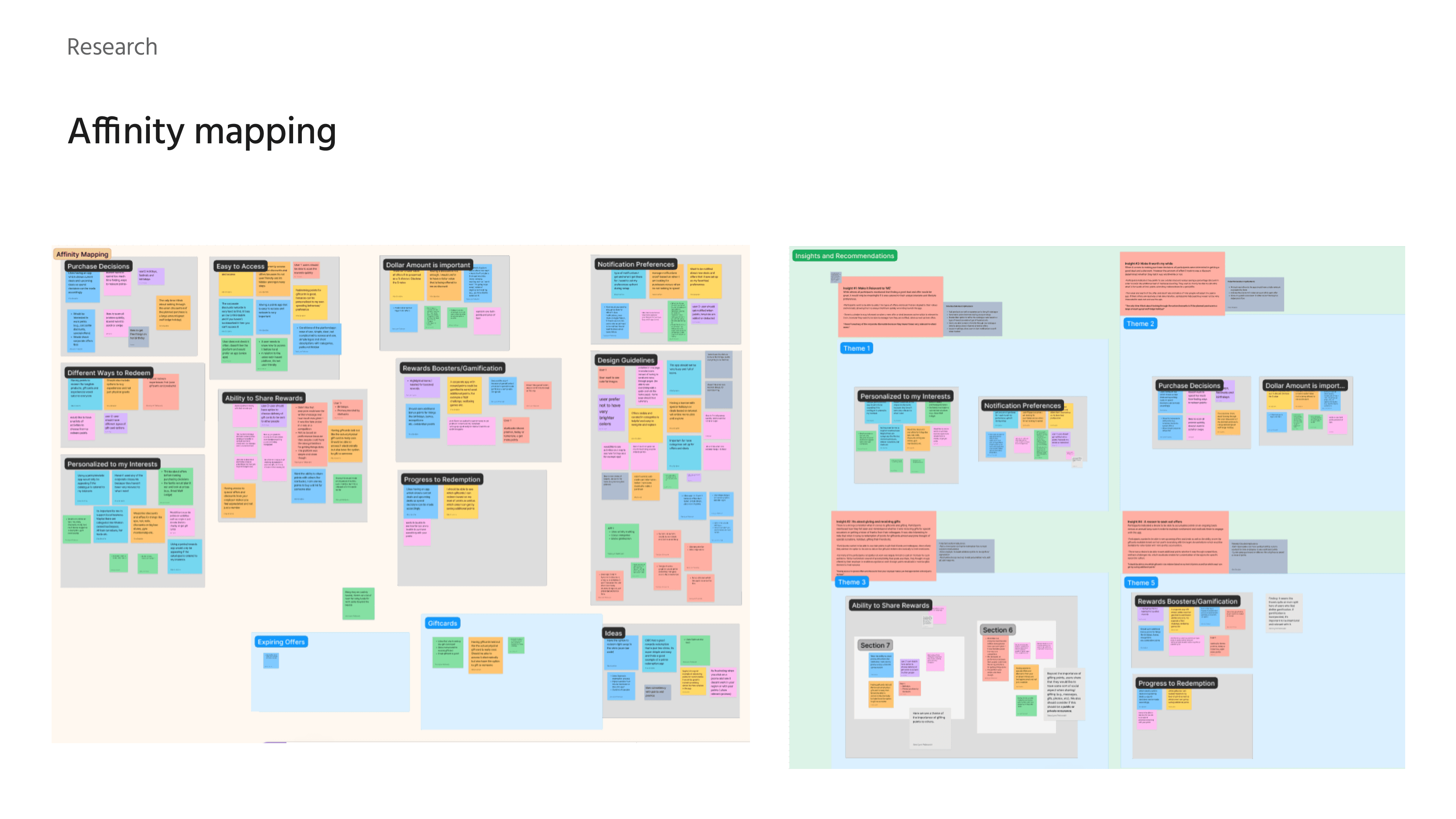
Affinity mapping and creating themes

Design Decisions

Prioritized company's actual workflow instead of familiar design patterns

We used affinity mapping to synthesize information from the interviews. We came together in Figjam and synthesized the data and came up with the themes.
Affinity mapping and creating themes

Affinity mapping and creating themes

Final work

Final work

Outcome and impact

This method helped us clearly define what the app Must have, Should have, Could have, and Won’t have at launch. It aligned the team around user value vs. effort.

User impact

Less repetitive project planning

No manual copying of tasks into a separate timesheet

Less time spent maintaining spreadsheets

Fewer errors caused by inconsistent data entry

Business impact

External project-management subscription eliminated

More consistent operational data

Greater confidence in KPI reporting

Less administrative overhead

Conclusion and reflections

The startup founders needed a better sense of what users actually wanted so they could be sure they were building something people would use. I ran early user research to get that clarity and help shape a focused MVP. By talking directly with potential users and prioritizing real needs, I was able to avoid overbuilding and align the team around the features that mattered most.

From there, I turned those insights into designs, built the MVP, and launched the first version of the app.

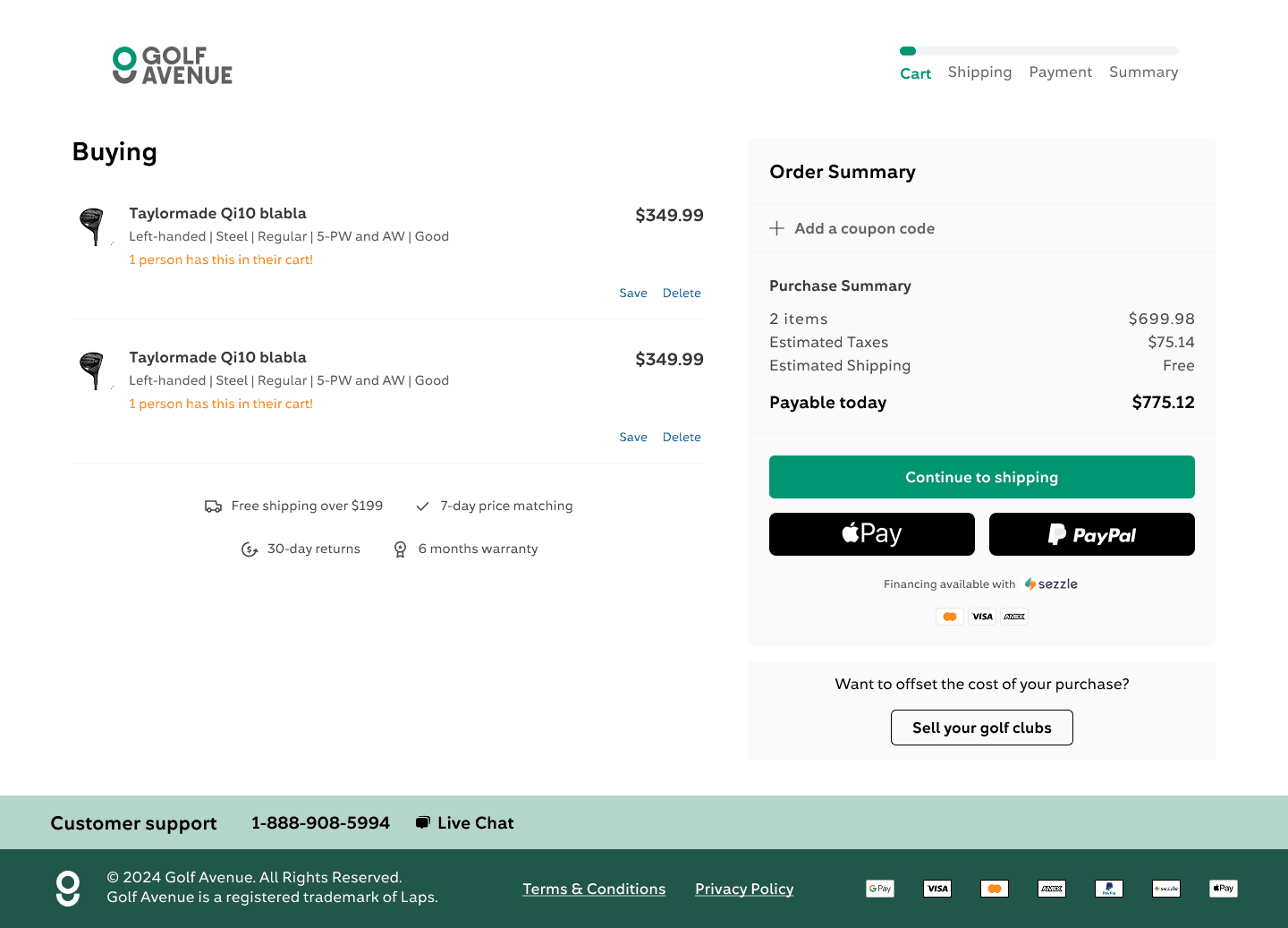
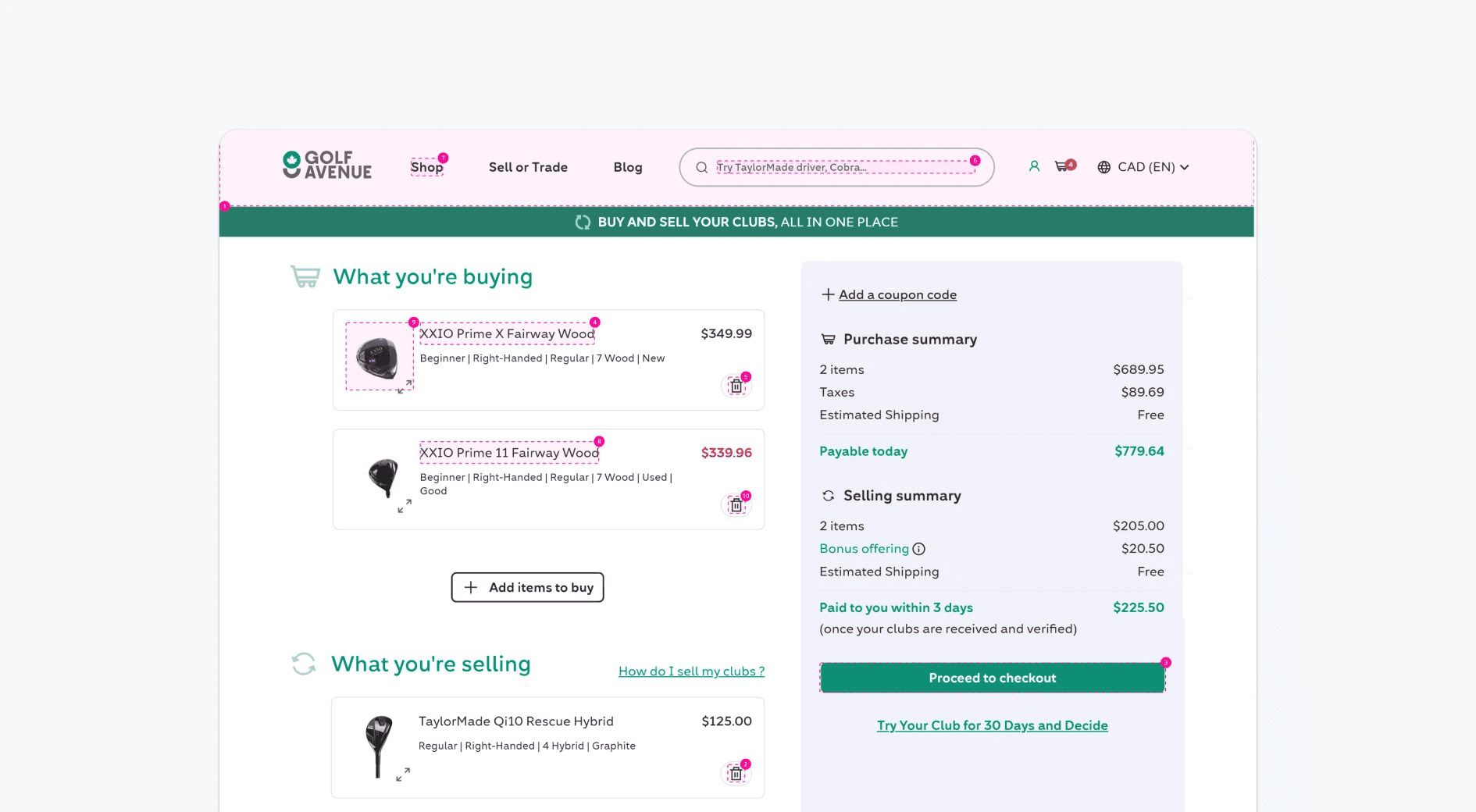
Opportunity: How might we reduce cart drop offs

Founders wanted to find out what people expect from a benefits application before building it.

Observing user behavior showed us a common pattern:

Shoppers adding all their “maybe” options to the cart, then navigating back and forth between the cart and product pages to compare, delete, and rethink.

This back and forth created friction for users and led to high drop offs from the flow.

So we asked: how might we support decision-making earlier, without disrupting the shopping flow?

I used user research and prioritization frameworks to guide founders in defining MVP features.
Research Goals:

Heatmap of the old cart showing a high number of users going back to the shopping journey

Brainstorming session and prioritization frameworks helped define MVP features.

This method helped us clearly define what the app Must have, Should have, Could have, and Won’t have at launch. It aligned the team around user value vs. effort.

SHOULD HAVE

Receiving additional points based on manager discretion

COULD HAVE

Topping off points with credit card when not enough

WONT HAVE

Gamification
Employees to recognize eachother with points

Conclusion and reflections

The startup team needed a better sense of what users actually wanted so they could be sure they were building something people would use. I ran early user research to get that clarity and help shape a focused MVP. By talking directly with potential users and prioritizing real needs, I was able to avoid overbuilding and align the team around the features that mattered most.

From there, I turned those insights into designs, built the MVP, and launched the first version of the app.

Conclusion and reflections

The startup team needed a better sense of what users actually wanted so they could be sure they were building something people would use. I ran early user research to get that clarity and help shape a focused MVP. By talking directly with potential users and prioritizing real needs, I was able to avoid overbuilding and align the team around the features that mattered most.

From there, I turned those insights into designs, built the MVP, and launched the first version of the app.

Brainstorming session and prioritization frameworks helped define MVP features.

This method helped us clearly define what the app Must have, Should have, Could have, and Won’t have at launch. It aligned the team around user value vs. effort.

SHOULD HAVE

Receiving additional points based on manager discretion

COULD HAVE

Topping off points with credit card when not enough

WONT HAVE

Gamification
Employees to recognize eachother with points

View next project

New feature

E-commerce

Responsive web

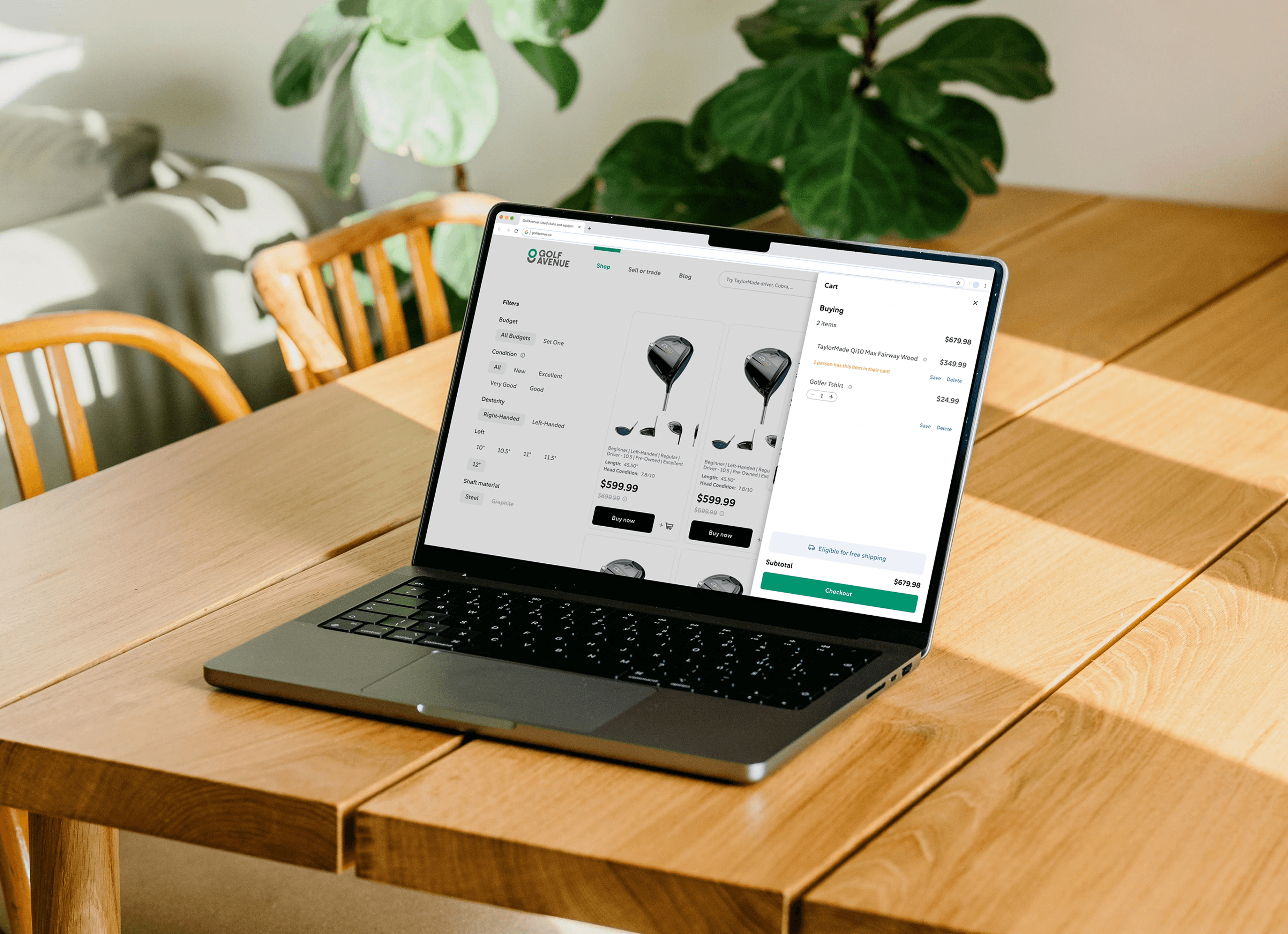
Streamlined the checkout +29% conversion rate

Enabled users to view and edit their cart content by creating a side cart

Read case study

Streamlined the checkout +29% completion rate

Enabled users to view and edit their cart content by creating a side cart

New feature

E-commerce

B2C

Read case study

Goli Pezeshk 2026
Goli Pezeshk 2026